Monday, April 27, 2015

Striking Differences Between the US and India

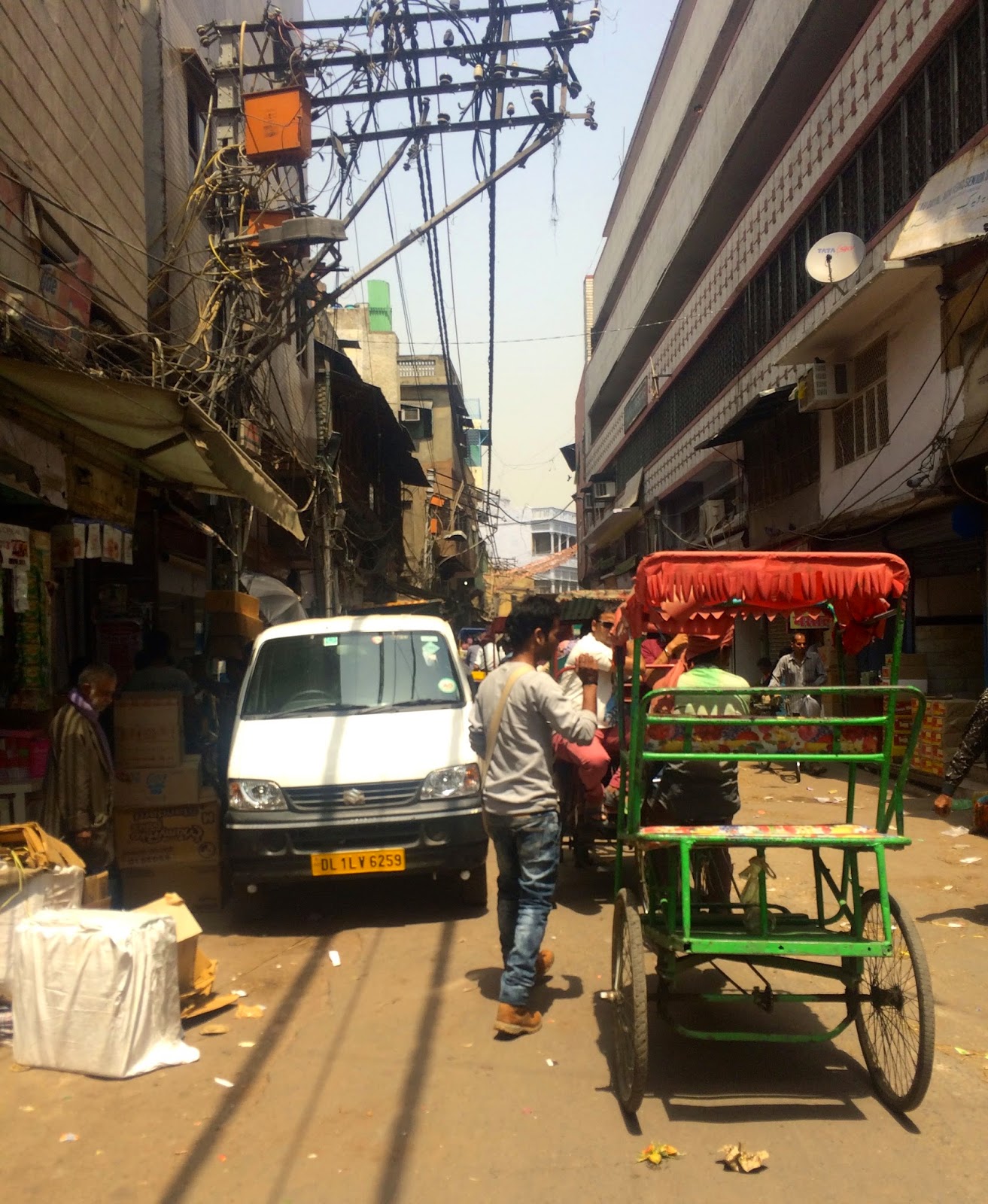
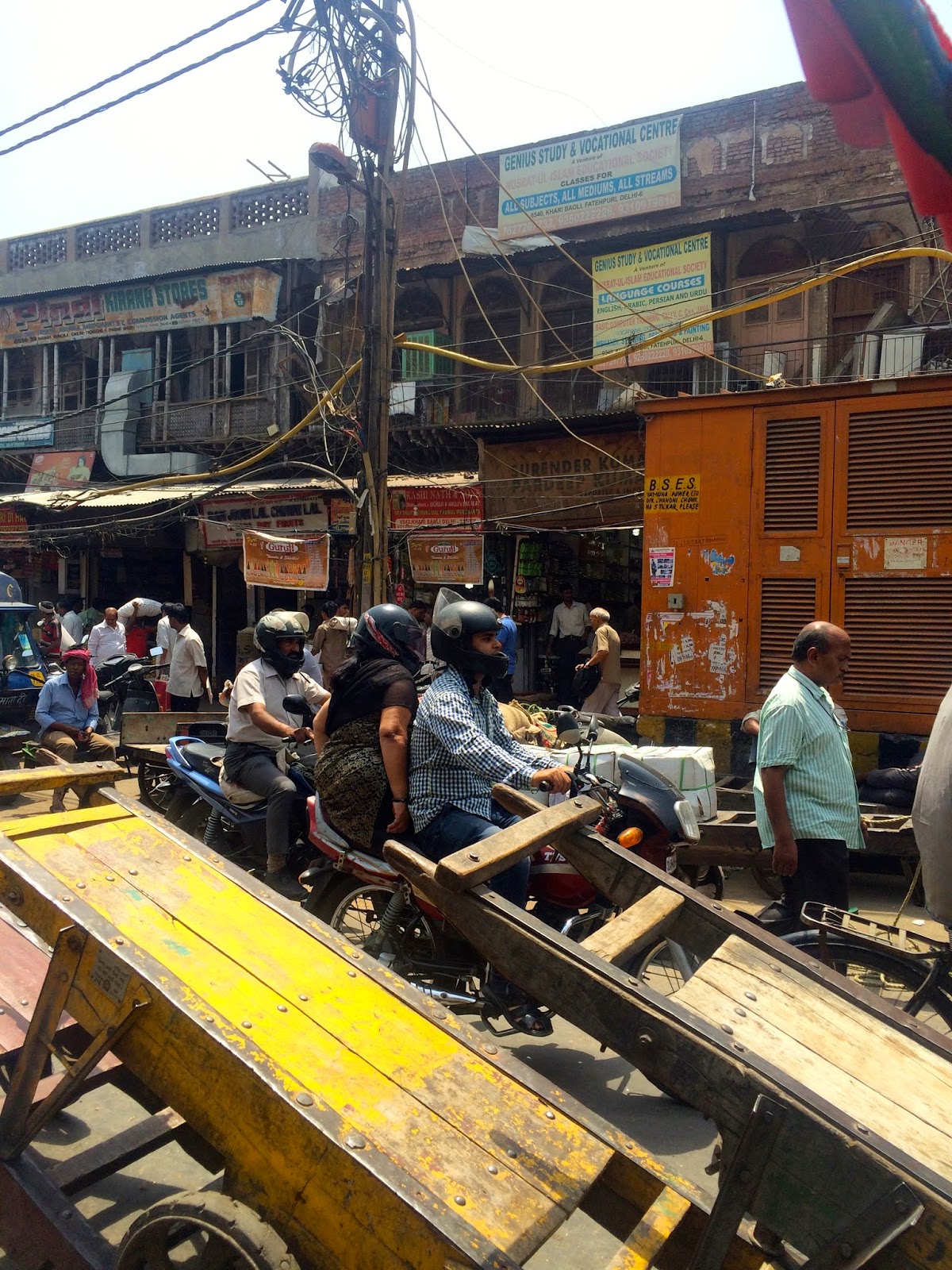
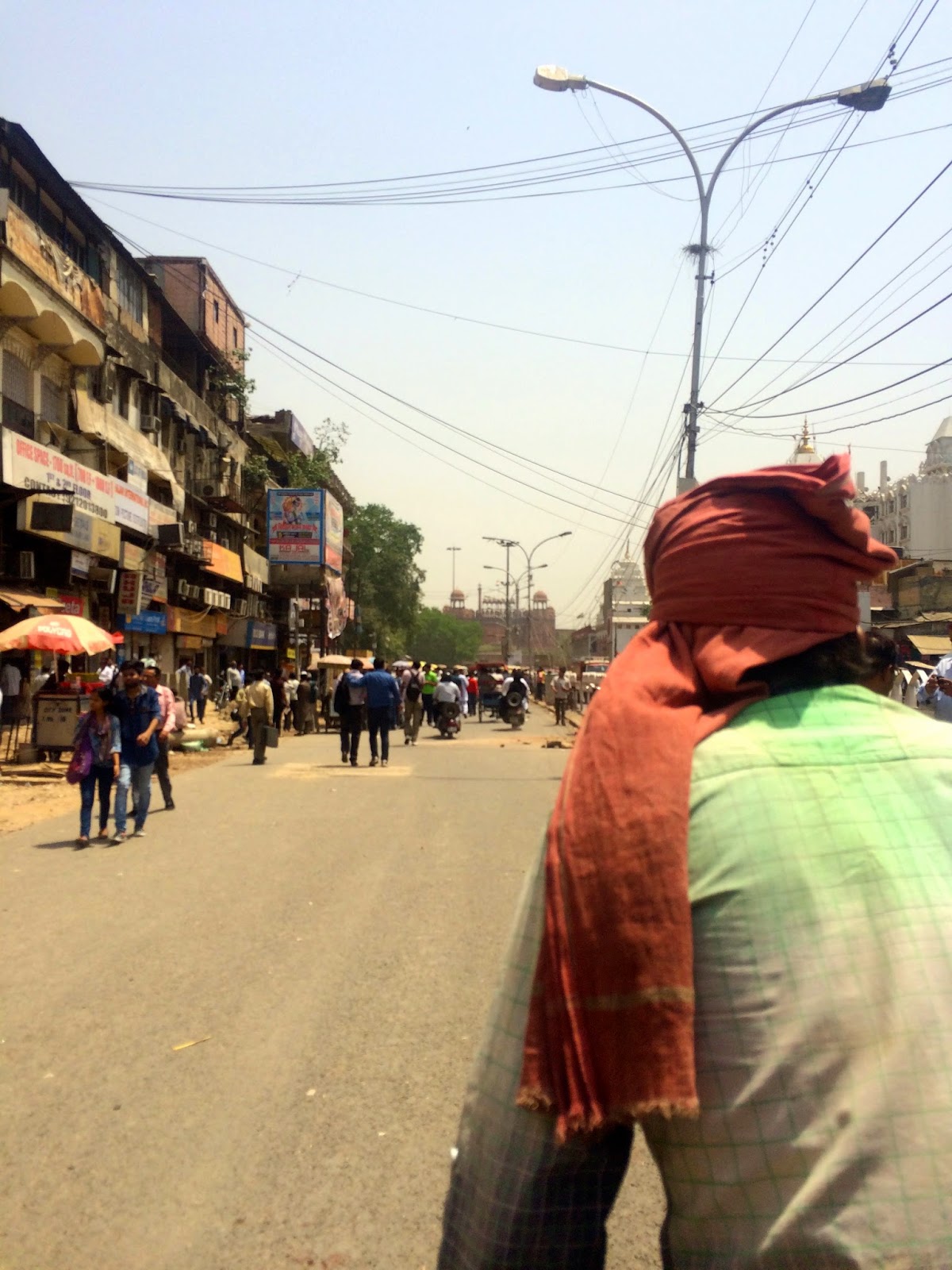
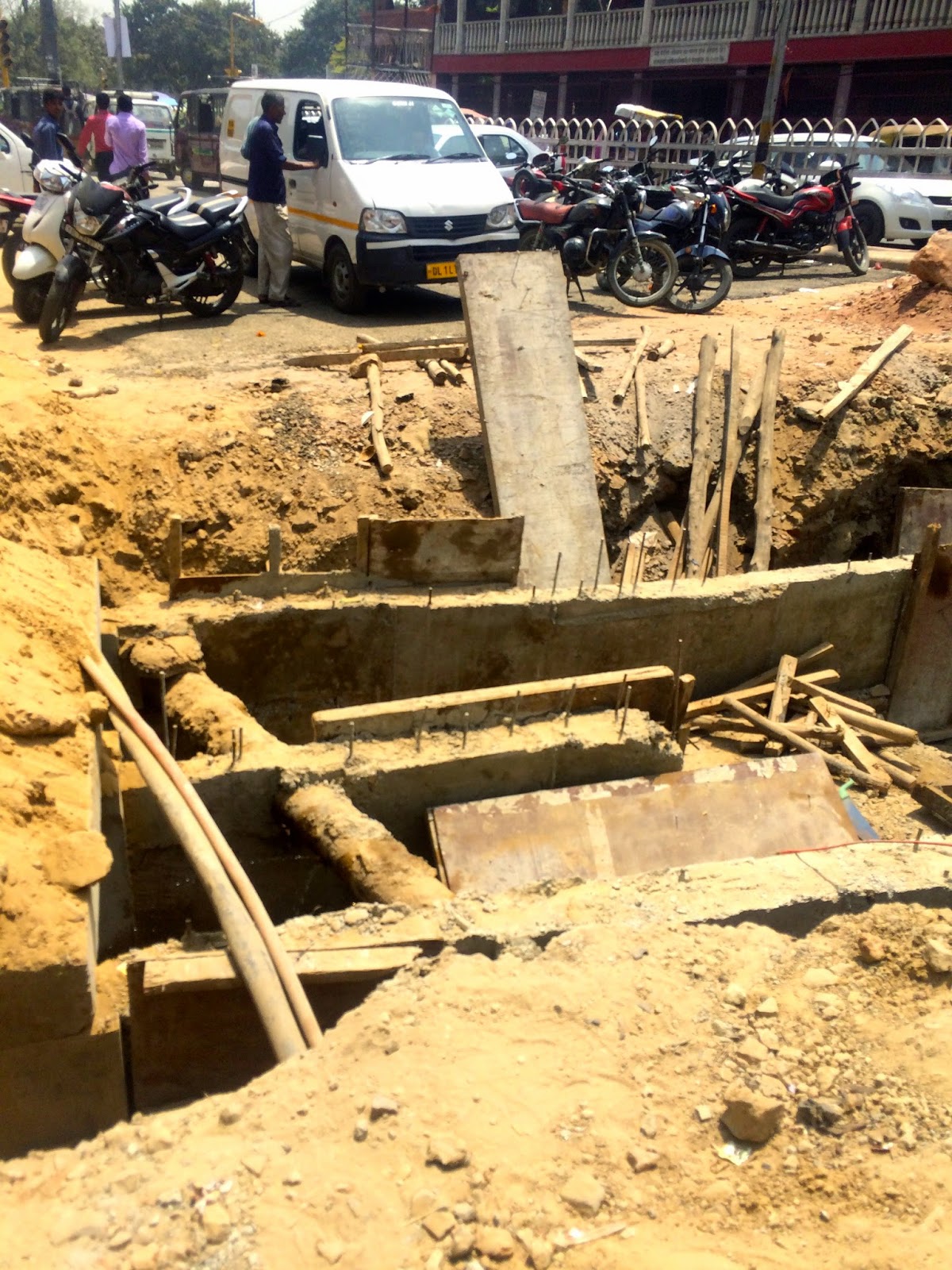
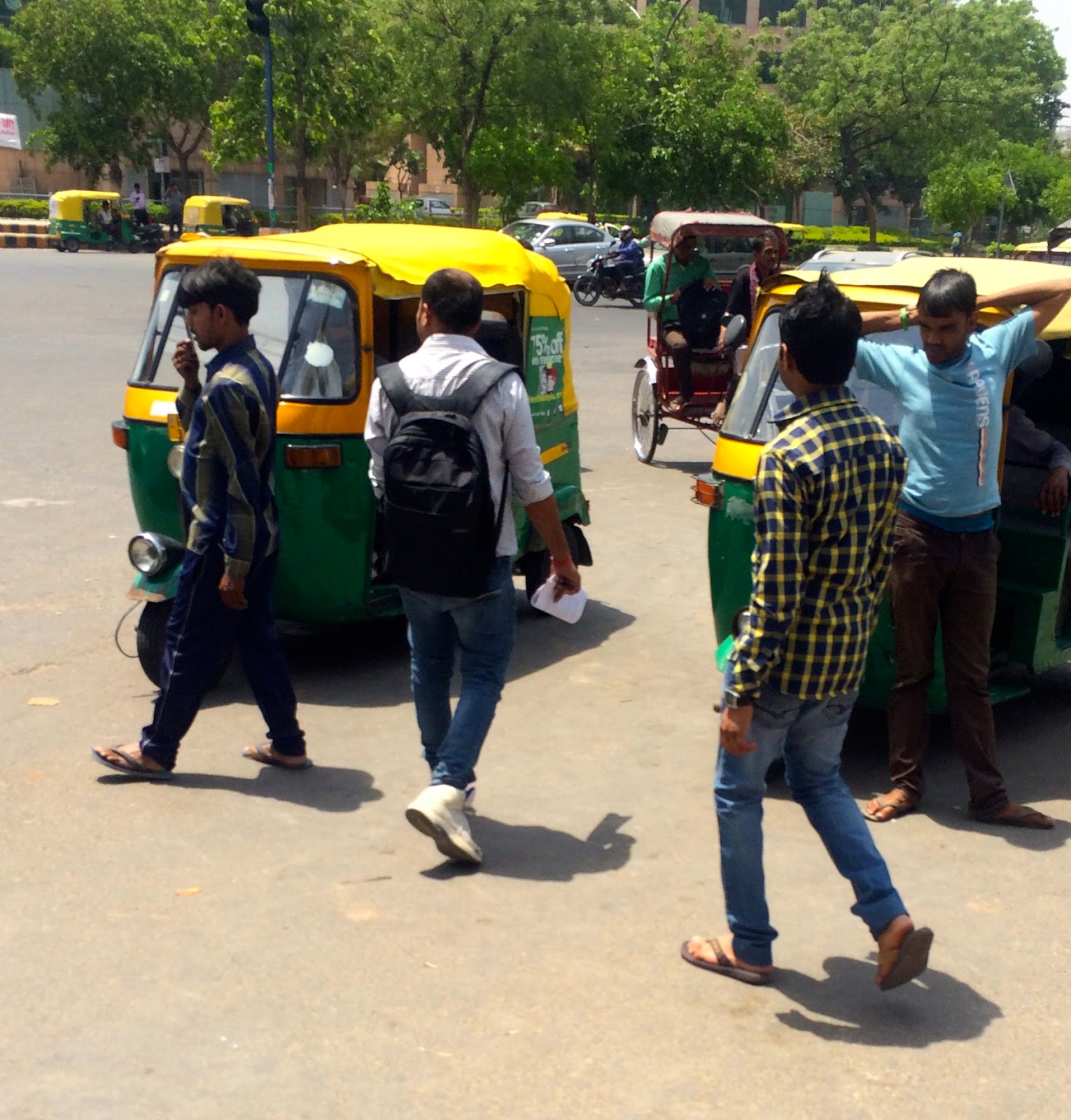
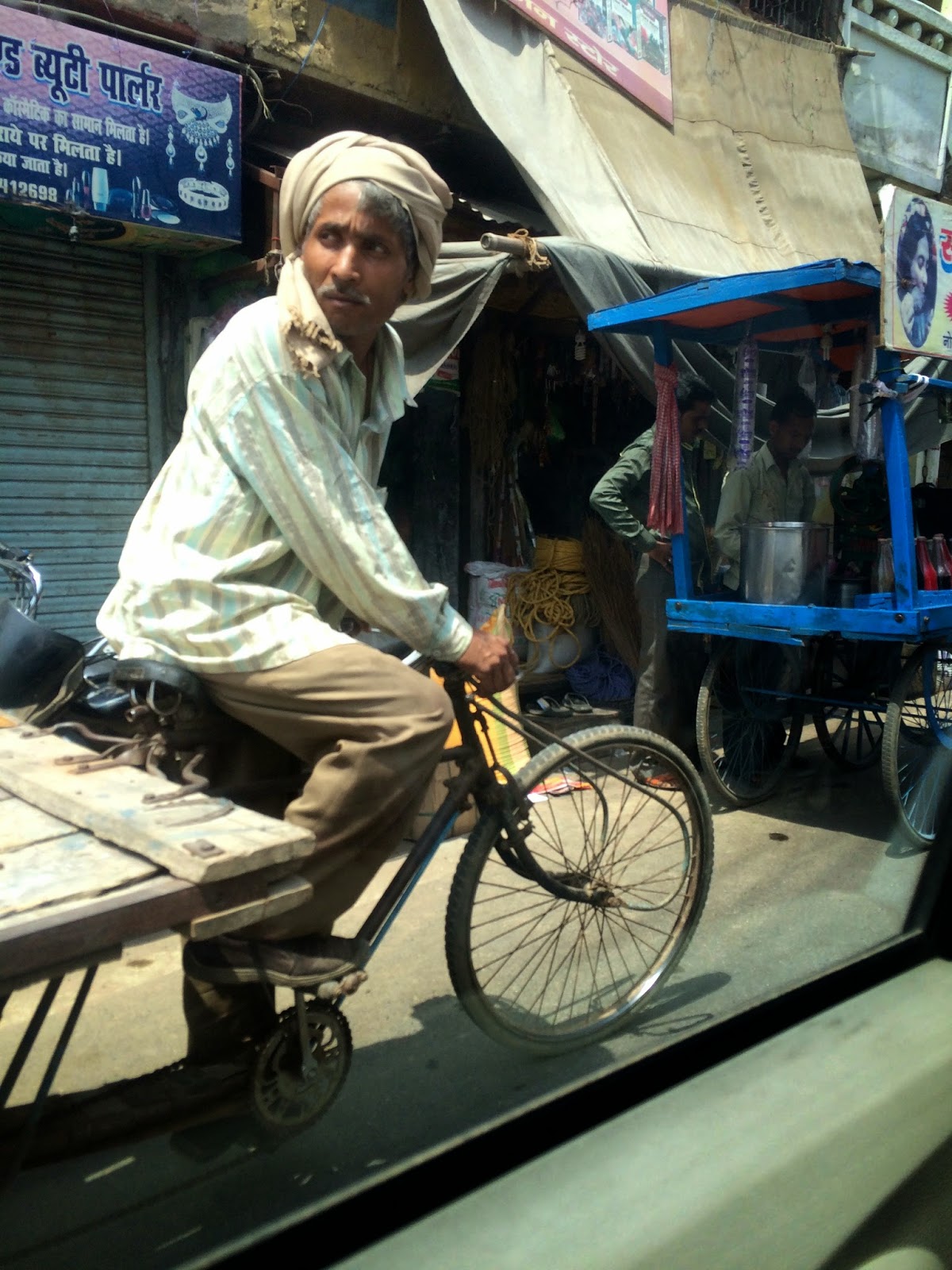
There are two distinct areas of Delhi. There is the new and the old. New Delhi is the location of India's capital buildings. Here is where Parliament, the Prime Minister's office, other various government headquarters are located. The area is relatively modern and cleaner than its counterpart. On the other hand, the area of old Delhi is the complete opposite. There is trash everywhere and all of the buildings are falling apart. It is crowded and many people are living on the streets. There is rubble and exposed wires everywhere. Also, traffic throughout the city is crazy. No one follows the rules. It's basically a free for all. People go the wrong way, pedestrians walk in the middle of the streets, rickshaws, bikes, carts, cows, pigs, sometimes monkeys, occasionally camels, and definitely stray dogs inhabit the roads. There are random constructions project that are either being worked on, or have simply been abandoned, but regardless, there is no sort of warning, signage, or orange traffic cones in order to inform the public. If one isn't careful, he or she could very easily end up walking into a hole or tripping over a pile of bricks. In order to successfully drive in India, one of my tour guides told me three things are required, good brakes, a good horn, and good luck. Thank goodness we have the laws, regulations, and codes we do in the United States and thank goodness people actually follow them.
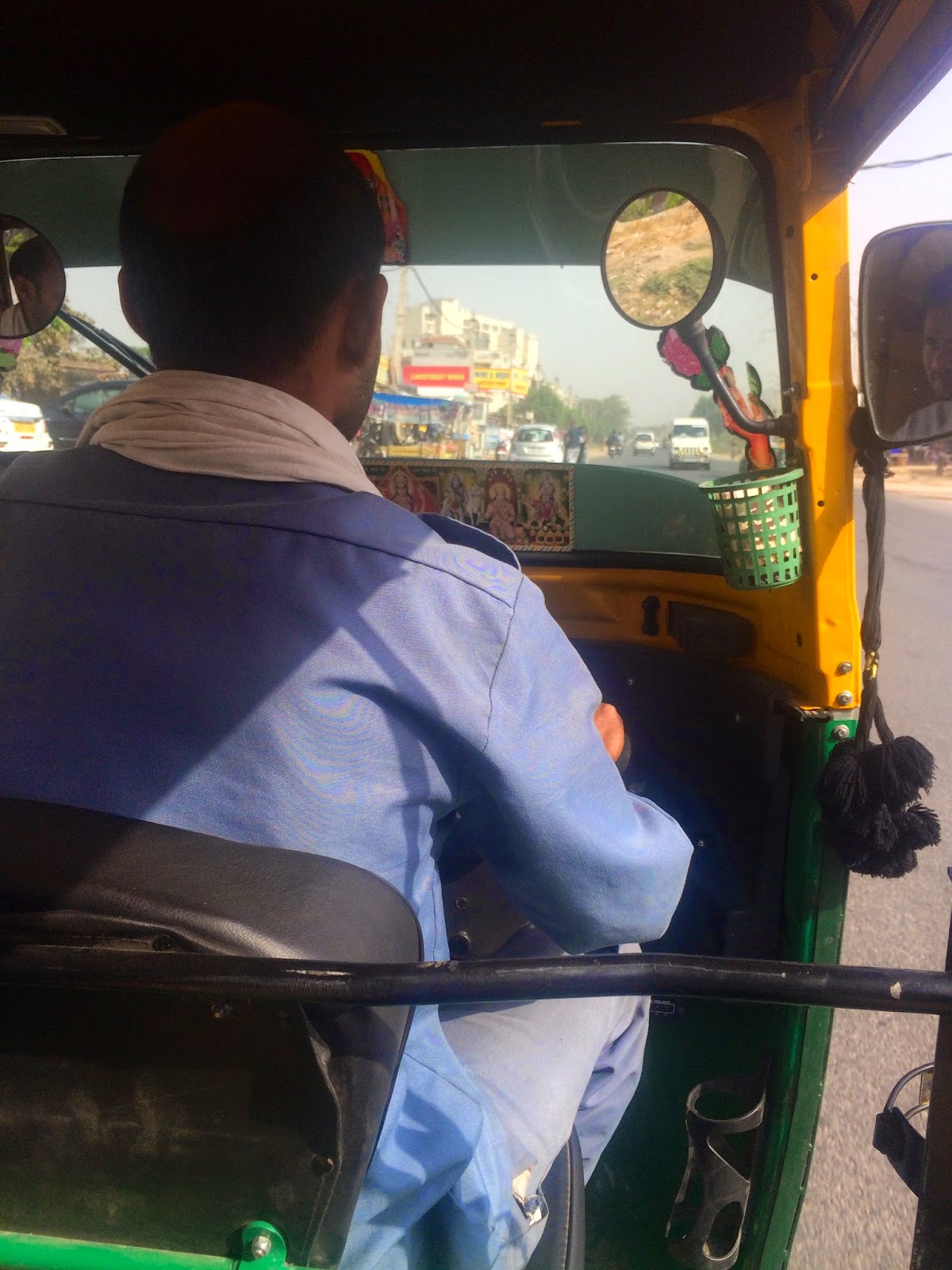
the inside of an auto rickshaw

rubbish and a regular rickshaw 

exposed wire, carts, motorbikes filled beyond recommended capacity

old falling apart buildings

the view while on a rickshaw

people selling things in the middle of a road

a random construction project

more people and auto rickshaws

a camel powered cart

water buffalo in the middle of the street

another rickshaw operator

Indian Rupees

The name of the currency in India is the rupee. Currently 1 USD is about 63 rupees (INR). All INR banknotes feature Mahatma Gandhi, the famous leader of the Indian independence movement.

The 1600 rupees here is worth about $25

The 1600 rupees here is worth about $25

India Gate

The India Gate is similar is design to other famous arches like the Arc de Triomphe in Paris or the Arch of Constantine in Rome. It is a war memorial dedicated to those of the undivided British Indian Army who died during WWI and the Third Anglo-Afghan War. Around 82,000 people from this army died during these conflicts.


Humayun's Tomb

Humayun's Tomb is another UNESCO site and is sometimes called the predecessor to the Taj Mahal. The Mughal Emporer Humayun is buried here in this red sandstone mausoleum. This building is a great example of Mughal architecture. Interestingly, the architect was Persian. This was the first garden tomb on the Indian sub-continent. It was built in the mid 16th century.


Red Fort

The Red Fort, one of Delhi's three UNESCO sites, is an impressive complex made mostly of red sandstone. This was the where the Mughal Emperor of India lived for about 200 years starting in the mid 1500's. Nowadays the site is a tourist attraction hosting multiple museums. Every August 15th, Independence Day of India, the prime minister of the country (the current Prime Minister is Narendra Modi) hoists the flag and delivers a speech.

above the main entrance of the fort

notice the height and thickness of the fort's outer walls

decorations on some of the inner walls

here the wind was blowing strong enough that the Indian flag can be seen slightly better

Qutab Minar

The Qutab Minar is one of Delhi's three UNESCO sites. It is the second tallest minar in India, is almost 73 meters high, is made of red sandstone and marble, and was completed in the mid 1300's after over 100 years of construction.

the minar from mid-range. if you look closely you can compare the size of it to the bystanders

looking up at it. notice the different colors of stone

the Arabic inscriptions on the minar

other ruins of buildings located around the minar

the details carved into some of the columns of the nearby buildings

Qutab Minar selfie

the minar and I from a distance

Saturday, April 4, 2015

Melbourne

Melbourne is Australia's second most populated city. It is the capital of Victoria.